
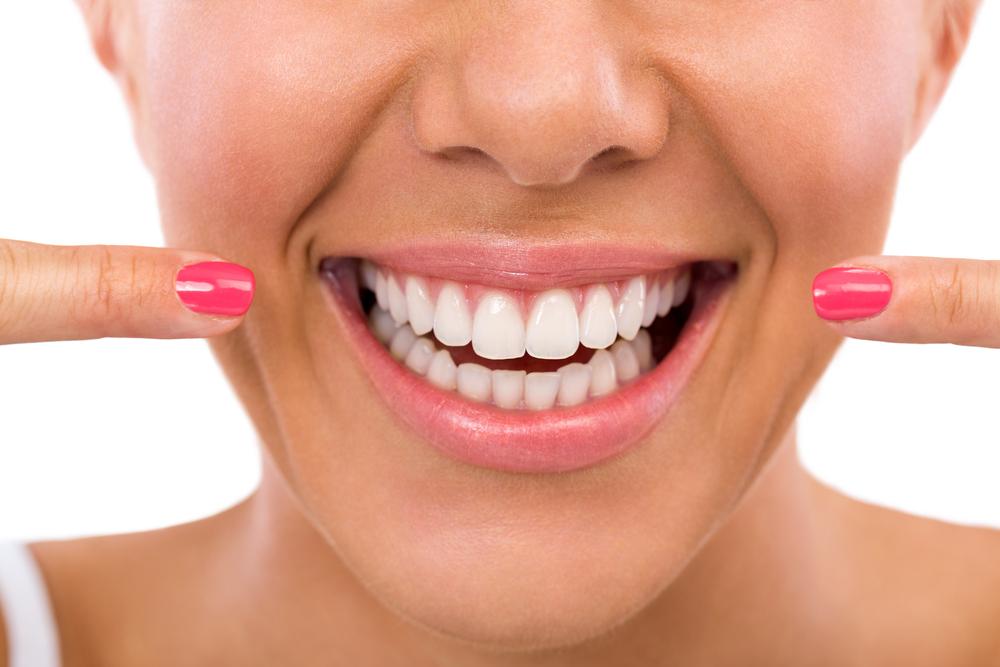
Five daily habits do most of the work for healthy teeth and gums: brush twice a day for about 2 minutes with a fluoride toothpaste, clean between your teeth every day, have sugary food and drink less often, change your toothbrush at least every 3 months, and keep up regular dental check-ups. That is the core advice from the NHS and the Oral Health Foundation, and it takes only a few minutes a day.
Healthy teeth also matter if you want a whiter smile: the NHS says whitening is not done if you have unhealthy teeth or gums, and a dentist should check them first. Here is how to get the basics right.
1. How often should you brush your teeth?
Twice a day, for about 2 minutes each time. The NHS says to brush last thing before bed and on one other occasion, with a toothpaste that contains at least 1,350ppm fluoride for adults. Clean the inside, outside and chewing surfaces of every tooth, then spit out the excess toothpaste without rinsing, so the fluoride keeps working.
Brush gently with small, circular movements and a soft to medium brush, as the Oral Health Foundation recommends. After eating, wait at least an hour before you brush: sugary and acidic food softens enamel for a while, and the Oral Health Foundation says brushing straight away can damage it.
The NHS says electric and manual brushes are equally good as long as you clean every surface, though some people find an electric brush easier. The SmilePro Sonic Toothbrush has a 2-minute timer that pulses every 30 seconds to move you round your mouth, and 5 brushing modes.
2. Why should you clean between your teeth?
Your toothbrush cannot reach between your teeth, where plaque and bits of food collect. The NHS and the Oral Health Foundation both recommend cleaning between your teeth every day with floss or interdental brushes, and the NHS says it is best to do it before you brush. Your dentist or hygienist can show you which size of interdental brush fits.
3. What should you eat and drink for healthy teeth?
It is how often you have sugar, not just how much, that causes problems, the Oral Health Foundation explains, so keep sugary food and drinks to mealtimes rather than snacking through the day. Plain water and milk are the best drinks for your teeth. If you have fruit juice or fizzy drinks, have them with a meal instead of sipping them, and chewing sugar-free gum after eating can help.
Some foods and drinks also stain. See 10 foods and drinks that stain teeth for the ones to watch.
4. How often should you change your toothbrush?
At least every 3 months, or sooner if the bristles become worn, says the Oral Health Foundation: splayed bristles do not clean properly and may damage your gums. The same goes for electric brush heads: replace SmilePro Sonic Brush Heads every 3 months, or sooner if the bristles splay. Subscribe and your next pair arrives on time, 20% cheaper.
5. How often should you see the dentist?
As often as your dentist recommends. The NHS says you should have regular check-ups even if you have no problems, and to see a dentist if you have not had one for 2 years. Your dental team can also remove tartar, which the Oral Health Foundation notes can only be removed professionally once plaque has hardened. See a dentist sooner if your gums are painful, swollen or bleed when you brush, or if you have toothache.
Should you use mouthwash?
A fluoride mouthwash can help prevent tooth decay, the NHS says, but do not use it straight after brushing, because it washes away the fluoride from your toothpaste. Choose a different time, such as after lunch. If you rely on mouthwash just to freshen your breath, the Oral Health Foundation suggests seeing your dental team.
Which toothpaste should you use?
The NHS and the Oral Health Foundation recommend a fluoride toothpaste for daily brushing.
When is it safe to whiten your teeth?
When your teeth and gums are healthy. The NHS says whitening is not done on unhealthy teeth or gums, or for anyone aged 17 or under, and is not recommended during pregnancy or breastfeeding; it also says a dentist should check your teeth and gums first. If you have any dental concerns, book a check-up before you start.
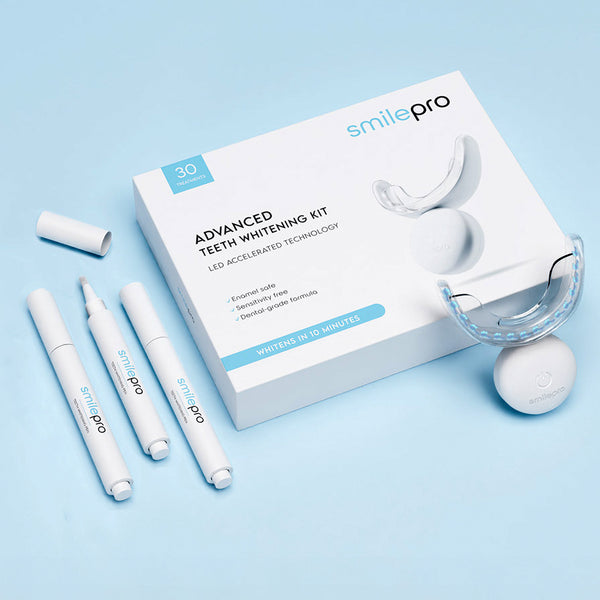
The SmilePro Advanced Teeth Whitening Kit takes 10 minutes a day for 7 days, for up to 8 shades whiter. The gel is a peroxide-free PAP formula with potassium nitrate, enamel-safe and Sensitivity-free, used with a blue and red LED light. After each treatment, wait 1 hour before eating or drinking anything except water. Read is teeth whitening safe? for more.
SmilePro whitening products are not suitable for anyone under 18, or anyone pregnant or breastfeeding. If you have sensitive teeth or unhealthy gums, see a dentist first.
Sources
This guide is general information, not dental advice. If you have any concerns about your teeth or gums, speak to a dentist.
- NHS, How to keep your teeth clean, page reviewed 30 June 2025.
- NHS, Tooth decay, page reviewed 13 August 2025.
- NHS, Teeth whitening, page reviewed 19 August 2025.
- Oral Health Foundation, Caring for my teeth and gums and Diet and healthy teeth.
- SmilePro product information: Sonic Toothbrush, Sonic Brush Heads, Whitening Toothpaste, Advanced Teeth Whitening Kit.
Last updated: 8 October 2026.



Leave a comment
This site is protected by hCaptcha and the hCaptcha Privacy Policy and Terms of Service apply.